
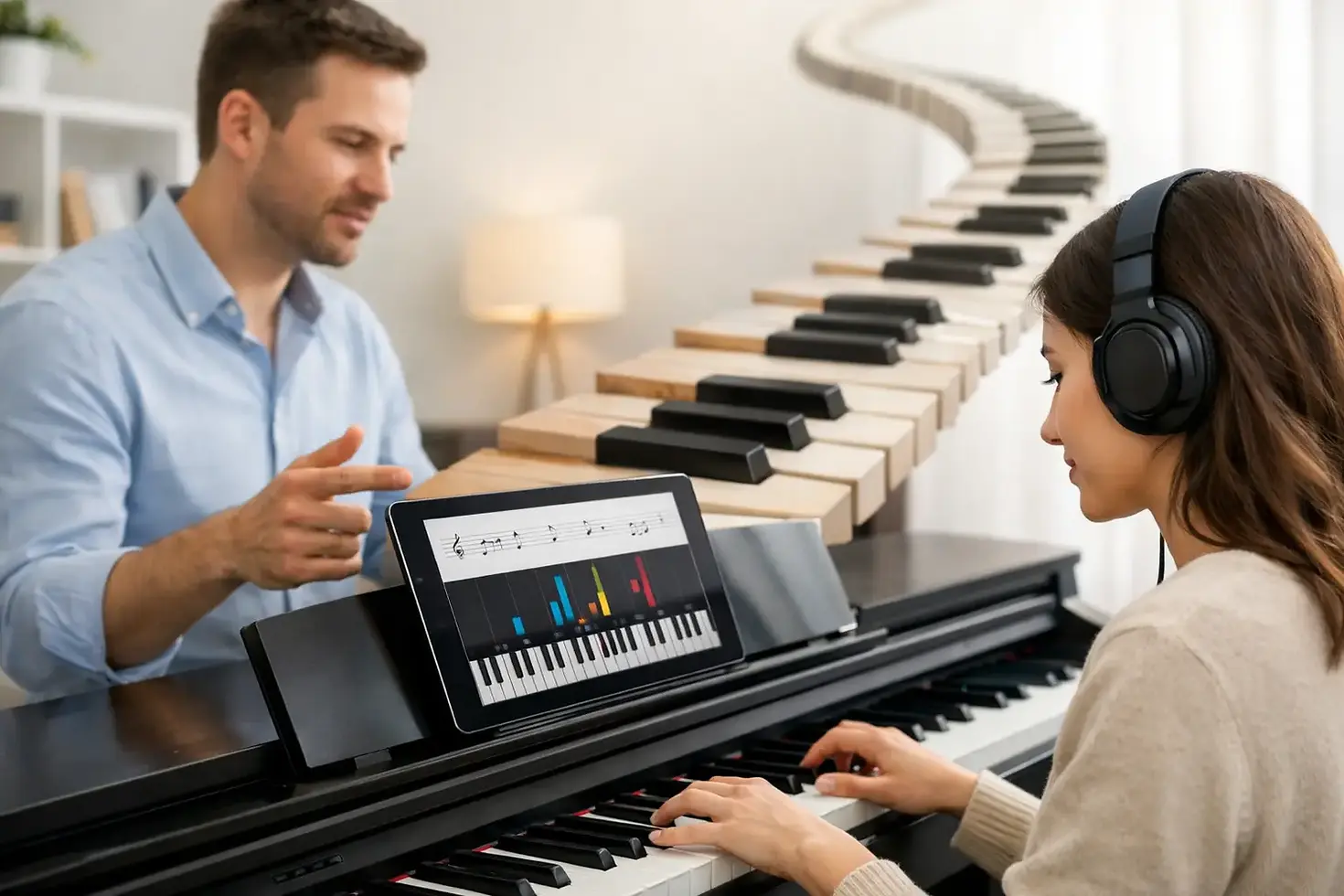
A Customized Piano Learning Path That Fits
One student wants to play their favorite movie themes. Another wants solid classical technique. Someone else is returning to piano after twenty years and hoping it feels enjoyable again, not intimidating. That is exactly why a customized piano learning path matters. Good piano lessons should meet the student where they are, not ask every learner to fit the same plan.
At its best, piano study feels personal. Progress comes faster when lessons reflect a student’s age, experience, goals, and musical taste. Just as importantly, learning feels more encouraging when the path makes sense for real life - with the right pace, the right level of challenge, and room to grow.
What a customized piano learning path really means
A customized piano learning path is not simply a few personalized song choices added onto a standard lesson plan. It is a thoughtful approach to teaching that considers the whole student. That includes skill level, learning style, confidence, musical interests, and even schedule.
For a young beginner, that path may start with rhythm games, simple keyboard geography, and short pieces that build success early. For a teen, it might combine reading skills with pop arrangements, chord playing, and creative projects. For an adult learner, it may involve rebuilding technique carefully while making space for music they actually want to sit down and play.
The goal is not to remove structure. Structure still matters. The difference is that the structure is built around the student instead of being imposed on them.
Why one-size-fits-all piano lessons often fall short
Many students do not struggle because they lack ability. They struggle because the teaching approach does not match what they need.
A rigid program can move too quickly for one student and too slowly for another. It can place too much emphasis on notation when a student needs ear training and confidence first. It can focus so heavily on exams or drills that the joy of making music starts to disappear. On the other hand, a program with no structure at all can leave students with gaps that become frustrating later.
That is why balance matters. A strong learning path respects fundamentals while staying flexible. It gives students enough challenge to grow, but not so much that every lesson feels discouraging.
The building blocks of a strong customized piano learning path
Every student’s plan will look a little different, but the most effective paths usually include the same core elements.
Clear goals from the beginning
Some students want to play for fun. Others want serious technical development. Some are preparing for auditions, school music programs, composing projects, or personal creative goals. When those goals are clear, lessons become more focused.
Without direction, students can end up working hard without knowing what they are building toward. With direction, even small weekly steps feel meaningful.
Skill development that matches the student
Technique, rhythm, reading, ear training, musical expression, and theory all matter. The question is when and how each area should be introduced.
A beginner child may need movement-based learning and repetition. A returning adult may appreciate understanding the why behind a concept. A student who loves contemporary music may stay more engaged if chord patterns and improvisation are part of the process early on. The skill areas are important for everyone, but the sequence and emphasis can change.
Repertoire that keeps motivation alive
Students stay committed when they connect with the music. That does not mean every piece should be easy or familiar. It does mean the repertoire should feel relevant.
Sometimes that looks like blending classical foundations with contemporary selections. Sometimes it means alternating challenge pieces with music that feels immediately rewarding. Motivation is not a small detail in music education. It is often the reason a student keeps going long enough to make real progress.
A pace that supports confidence
Confidence grows when students experience success regularly. If lessons move too slowly, students may lose interest. If they move too quickly, they may start to feel that they are always behind.
A customized pace helps avoid both problems. It allows room to review when needed and move ahead when a student is ready. That flexibility is especially valuable for busy families, adult learners, and students balancing school or other activities.
How customization looks at different ages and stages
A six-year-old beginner, a high school student, and an adult returning to lessons should not be taught in exactly the same way. Their goals, attention spans, and motivations are different.
With children, lessons often work best when they mix structure with imagination. Short activities, visual learning, and early wins can build confidence quickly. The right teacher knows how to keep standards high while still making the process feel welcoming.
Teens often benefit from having a stronger voice in their repertoire and goals. They may want to explore songwriting, recording, accompaniment, or contemporary styles alongside traditional skills. Giving them ownership can make a major difference in long-term commitment.
Adults frequently arrive with a mix of excitement and hesitation. Some worry they are too late. Others feel frustrated by past experiences. A supportive learning plan can make piano feel approachable again by honoring their interests, respecting their time, and rebuilding skills step by step.
In-person or online? The right format depends on the student
Lesson format is another part of a customized piano learning path. Some students thrive with in-person instruction because they enjoy face-to-face connection and hands-on guidance. Others do extremely well online, especially when flexibility and convenience help them stay consistent.
Neither format is automatically better for everyone. What matters is the fit. A student with a busy schedule may practice more consistently if online lessons remove commuting time. A younger beginner may feel more comfortable starting in person. The right choice supports regular attendance, strong communication, and steady progress.
For many families and adult learners, that flexibility can make music study possible in the first place. That is one reason Studio One Music Lessons places such a strong focus on personalized instruction in both formats.
What students gain beyond piano skills
A personalized approach does more than teach notes and rhythms. It helps students build habits of patience, focus, listening, and self-expression.
For children, that may show up as stronger confidence and a sense of accomplishment. For teens, it can become a creative outlet and a way to develop identity through music. For adults, piano can bring back joy, challenge the mind, and create a meaningful routine in the middle of a busy life.
These benefits are real, but they are not automatic. They tend to grow when students feel seen, supported, and encouraged in a way that matches who they are.
How to know if a piano program is truly personalized
The word customized gets used often, but not every program means the same thing by it. A truly personalized program should ask questions before making assumptions. It should be interested in the student’s goals, previous experience, musical preferences, and learning needs.
It should also be willing to adjust. If a student is bored, overwhelmed, or changing direction, the plan should be flexible enough to respond. Personalization is not a one-time decision at enrollment. It is an ongoing teaching mindset.
That said, customization should not mean a lack of direction. Students still need expert guidance. The strongest teachers know how to shape lessons around the individual while keeping progress organized and purposeful.
Choosing a path that feels encouraging and sustainable
The best piano journey is not the one that looks most impressive on paper. It is the one a student can actually stay with. That usually means finding lessons that feel encouraging, well-structured, and realistic for everyday life.
For some students, that path will be classically focused and disciplined. For others, it will include contemporary music, composition, or recording projects that make learning feel more personal. There is no single right version of success at the piano. What matters is finding a path that helps each student grow with confidence and consistency.
When lessons are shaped around the person, not just the program, music becomes more than another activity. It becomes something students can truly connect with, enjoy, and keep building over time.
A good teacher does more than assign pieces. They help students find a way forward that feels possible, motivating, and worth returning to each week.


Comments